
Fir Essential Oil Price Guide: Balsam, Siberian, and Beyond
Fir essential oil sits in a curious spot in the essential oil market. It is widely available, yet the quality gap between a $6 bottle and a $40 bottle is enormous. If you have ever wondered why fir oil price varies so dramatically across retailers, or whether the expensive options are actually worth it, this guide breaks it all down.
We will cover the main species, what drives balsam fir oil cost, how to read a label like a professional buyer, and where to spend your money at every budget level.
Why Fir Oil Price Varies So Much
Essential oil pricing is not arbitrary, even when it looks that way. Several concrete factors push costs up or down.
Species and Sourcing Region
The fir genus (Abies) contains dozens of species, and each one yields oil with a distinct aromatic character and a different cost to produce. The most common species you will encounter in the market are:
- Balsam fir (Abies balsamea): Native to northeastern North America. Rich, resinous, deeply forested scent. Sourced primarily from Canada and the northeastern United States. Mid-range pricing, widely available.
- Siberian fir (Abies sibirica): Sourced from Russia and parts of Central Asia. Cleaner, crisper, slightly more citrus-forward than balsam. Often the lowest-cost option due to large-scale commercial production in Russia.
- Silver fir (Abies alba): European origin, primarily Austria, France, and the Balkans. Softer and more delicate aroma. Moderate to premium pricing depending on the supplier.
- White fir (Abies concolor): Western North America. Bright, almost orange-tinged top note. Less common in the market, which tends to push the price higher.
- Douglas fir (Pseudotsuga menziesii): Technically not an Abies species, but often grouped with fir oils. Notably more expensive, with a complex citrus-and-pine aroma that makes it a favorite among perfumers.
For a deeper look at how varieties compare on quality and character, see our guide on buying fir essential oil: the complete variety and quality breakdown.
Distillation Method and Plant Part
Most fir essential oil comes from steam distillation of the needles and small twigs. Some producers also distill from buds or bark, which alters both the scent profile and the yield. Lower yield means higher cost. A balsam fir bud oil, for example, will almost always cost more per milliliter than a standard needle distillation from the same species.
Certifications and Testing
Organic certification requires annual audits, documentation, and fees. Those costs pass through to the consumer. Similarly, oils that come with third-party GC/MS (gas chromatography/mass spectrometry) testing reports cost more to produce but offer significantly more transparency. You are paying for the paperwork as much as the oil, and that paperwork matters.
Bottle Size and Brand Positioning
Essential oil pricing per milliliter rarely scales linearly. A 10 ml bottle almost always costs more per ml than a 30 ml bottle from the same brand. Buying larger volumes saves money, especially if fir is a staple in your diffuser blends or candle formulations.
Quality Indicators: What to Look For
Price alone tells you very little about quality. Here is what to actually evaluate before purchasing.
Full Botanical Labeling
A quality fir oil label includes the Latin species name, the plant part used (needles, twigs, buds), the country of origin, and the extraction method. If the label just says "fir oil" with no further information, that is a sign the producer is not being fully transparent.
GC/MS Testing Reports
Gas chromatography testing breaks down the chemical composition of an oil and confirms it has not been adulterated with synthetic compounds or blended with cheaper carrier oils. Reputable suppliers publish these reports publicly or provide them on request. If a company cannot or will not share GC/MS data, move on.
Purity: No Added Carriers
Fir essential oil should not contain any carrier oil unless it is explicitly sold as a pre-diluted blend. Pure fir oil will not leave a greasy residue on paper. The "paper test" is imperfect, but it catches the most obvious adulteration quickly.
Scent Accuracy
This one takes experience to develop, but it matters. Authentic balsam fir oil has a rich, resinous depth with a slightly sweet undertone. Siberian fir is crisper and more linear. If an oil smells flat, solvent-like, or identical across multiple species, something is likely off.
Packaging
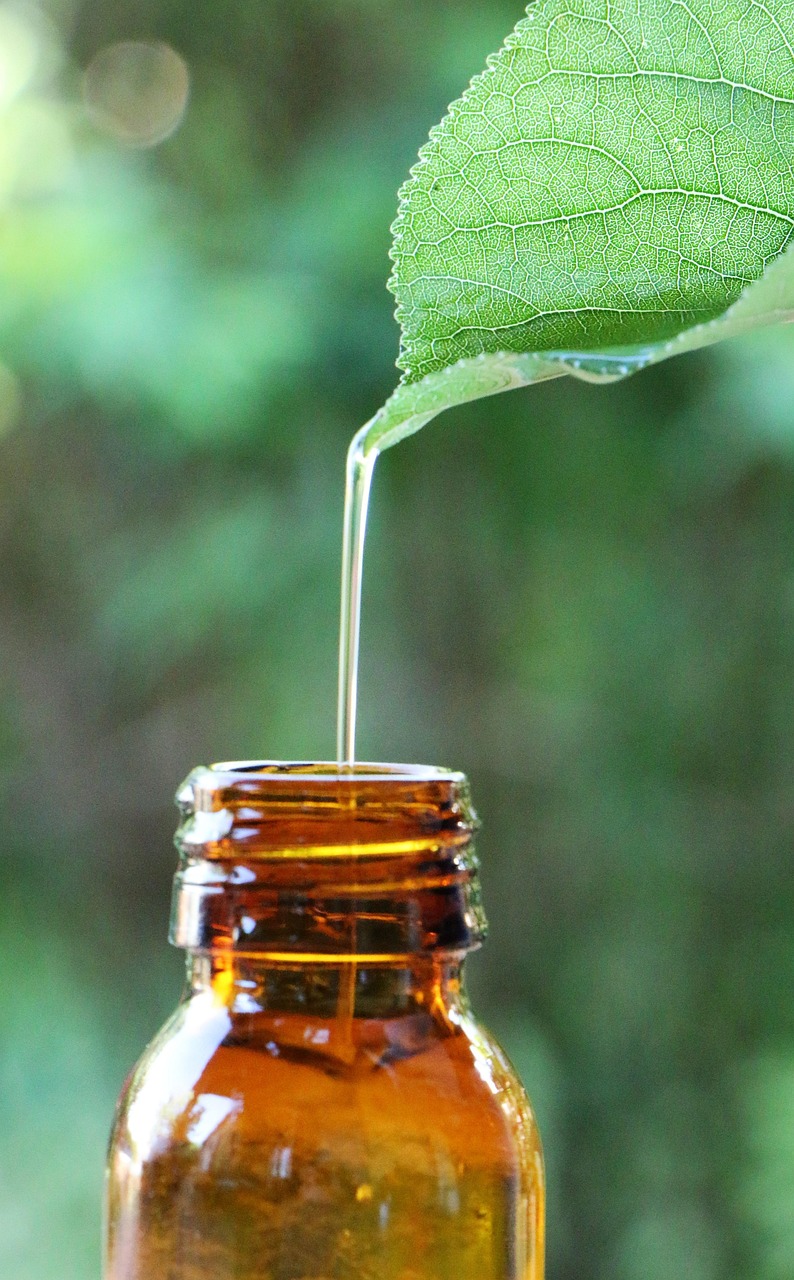
Amber or dark violet glass protects oils from UV degradation. Oils sold in clear glass or plastic are at higher risk of quality loss over time, regardless of how they were originally produced.
Essential Oil Pricing Tiers: What to Expect
The market roughly divides into three tiers. Here is what each tier typically delivers.
| Price Tier (per 10 ml) | What You Typically Get | Best For |
|---|---|---|
| Under $8 | Siberian fir, minimal labeling, no GC/MS data, possible adulteration risk | Casual diffusing where precision is low priority |
| $8 to $20 | Balsam or silver fir, decent sourcing transparency, some testing data available | Regular home use, candle and soap making, blending |
| $20 to $40 | Certified organic, full GC/MS reports, single-origin sourcing, artisan distillers | Perfumery, professional formulation, gifting |
| $40 and above | Rare species (white fir, Douglas fir), small-batch distillation, bud oils | Collectors, perfumers, specialty blends |
Top Picks at Different Price Points

Rather than name-dropping specific brands that change their sourcing regularly, it is more useful to describe what a strong option at each tier looks like. Use these profiles when comparing products.
Budget Pick: Siberian Fir Under $10
Look for a supplier that clearly states Abies sibirica on the label with Russian or Kazakh origin. The scent should be clean and distinctly coniferous, not harsh or solvent-like. Avoid anything labeled simply "fir oil" with no species designation. At this price point, GC/MS data is rare but not impossible to find. A few reputable online retailers do provide it even on budget lines.
Mid-Range Pick: Balsam Fir in the $12 to $25 Range
Canadian-sourced balsam fir at this price tier is a strong value. Look for suppliers who list the specific Canadian province or forest region. The aroma should be noticeably richer and more complex than Siberian fir. Organic certification starts appearing reliably in this tier. GC/MS reports should be available.
Premium Pick: Silver Fir or Organic Balsam Above $25
Austrian or French silver fir from a small-batch distiller offers a genuinely different aromatic experience. Soft, almost powdery, with excellent performance in fine fragrance blending. At this tier, expect full documentation: origin certificates, batch-specific testing, and responsive customer service. Worth the investment for candle makers and perfumers who want consistency.
Specialty: Douglas Fir and White Fir
These are boutique purchases. Douglas fir oil (Pseudotsuga menziesii) is beloved in natural perfumery for its complex citrus-and-resin character. White fir brings a bright, almost effervescent quality. Both are harder to source and command premium prices. They are not practical for high-volume candle production, but exceptional for small-batch signature blends.
Red Flags to Avoid
The essential oil market has no shortage of misleading products. These are the warning signs that should prompt you to look elsewhere.
- "Therapeutic grade" or "certified pure" claims: No independent third-party certification exists for these phrases. They are marketing language, not quality standards.
- No Latin species name: Without the botanical name, you do not know what you are buying.
- Uniform pricing across very different species: If a supplier sells balsam fir, Douglas fir, and silver fir all at the same price, that is suspicious. These oils have genuinely different production costs.
- Unusually low pricing on rare species: A $5 white fir or Douglas fir is almost certainly mislabeled or adulterated.
- No GC/MS data and no response when you request it: Reputable suppliers expect this question and answer it readily.
- Plastic bottles for long-term storage: Essential oils can degrade plastic over time, which compromises both the oil and the container.
Where to Buy Fir Essential Oil
You have several reliable channels, each with tradeoffs.
Specialty Essential Oil Retailers (Online)
Dedicated aromatics suppliers tend to offer the best combination of sourcing transparency, testing data, and species variety. You can compare multiple fir species side by side and often read detailed sourcing notes. Check our complete shoppers checklist for buying fir essential oil online before placing your first order.
Large Marketplace Platforms
Amazon and similar platforms offer convenience and competitive pricing, particularly for Siberian fir. The challenge is vetting sellers. Stick to brands you can cross-reference on their own websites, where testing data and sourcing details should be published. Avoid sellers with no independent web presence and suspiciously high review counts.
Natural Food and Specialty Stores
Retail stores often carry a limited but reasonably curated selection. Pricing is typically higher than online, but you can smell before buying, which has real value for scent-sensitive purchasing decisions.
Buying in Bulk
If you are a candle maker, soap formulator, or anyone going through significant volume, bulk purchasing changes the economics entirely. Bulk fir oil cost per milliliter drops substantially at the wholesale level. Our bulk buying guide for candle makers and formulators covers everything you need to know about minimum order quantities, supplier vetting, and storage at scale.
Getting the Most From Your Budget
A few practical notes before you buy.
Buy the largest size that makes sense for your usage rate. Fir oil oxidizes over time, so do not purchase a 100 ml bottle if you will need two years to use it. Eighteen months is a reasonable outer limit for an opened bottle stored properly (cool, dark, tightly sealed).
Start with Siberian fir if you are new to the species. It is the most forgiving entry point from a cost perspective, and it will give you a solid baseline for comparing more expensive options later.
Consider buying a small size from two or three suppliers before committing to a large order. Scent profiles genuinely differ between producers, even within the same species, and your nose should have a vote in the decision.
Finally, do not conflate brand prestige with quality. Some of the best-sourced fir oils come from small suppliers who invest in the oil rather than the marketing. The GC/MS report does not lie regardless of how well-known the label is.