
What Is Fir Needle Essential Oil? The Complete Guide
Key Takeaways
- Fir needle essential oil is steam-distilled from the needles and young twigs of fir trees in the genus Abies, not the wood or resin.
- The most common commercial varieties include balsam fir (Abies balsamea), Siberian fir (Abies sibirica), and silver fir (Abies alba).
- Its scent profile is crisp, green, and resinous, often described as the air inside a living forest.
- Primary aromatic compounds include bornyl acetate, camphene, and alpha-pinene, which contribute to its characteristic forest fragrance.
- Fir oil is used in diffusion, personal care formulations, cleaning blends, and candle and soap crafting.
- Proper dilution (typically 1 to 2 percent in a carrier oil) and patch testing are essential before any skin contact.
- Quality varies significantly by species, sourcing region, and distillation method. Knowing what to look for saves money and frustration.
Walk into a forest of balsam firs on a cold morning and the air practically introduces itself. There is something unmistakably alive about that smell: green, resinous, a little sharp, and deeply settling. Fir needle essential oil captures that moment and puts it in a bottle.
But what exactly is fir needle essential oil? Where does it come from, how is it made, and why does it smell so distinctly different from pine or spruce? This guide covers everything: the botany, the chemistry, the sourcing, the safety, and the many ways people bring this forest scent into everyday life. Whether you are new to essential oils or have been blending for years, there is something here worth knowing.
What Is Fir Needle Essential Oil, Exactly?
Fir needle essential oil is a concentrated aromatic liquid extracted from the needles and fine twigs of fir trees belonging to the genus Abies. Like all true essential oils, it is produced through steam distillation rather than cold pressing or solvent extraction. The result is a volatile, fragrant oil that carries the characteristic scent compounds of the living plant.
The word "fir" often gets used loosely in everyday speech. People say "Christmas tree smell" or "fresh pine" when they really mean fir, spruce, pine, or some combination of all three. In the essential oil world, precision matters. True fir oils come exclusively from Abies species. Pine oils come from Pinus species, and spruce oils from Picea species. Each genus produces a chemically distinct oil with its own scent character, even if they all share that broad coniferous family resemblance.
Fir needle oil is also distinct from fir balsam resin or fir balsam absolute. The resin is the sticky sap that oozes from blisters on the bark of balsam fir trees. The absolute is a solvent-extracted product derived from that resin. Fir needle essential oil, by contrast, comes from the green needles and young branches, not the resin. This gives it a lighter, more volatile, and decidedly greener scent profile than resin-based products.
A Note on Labeling
You may see products labeled "fir essential oil," "fir needle oil," "silver fir oil," "balsam fir oil," or simply "forest oil." These terms are not interchangeable. The species name matters enormously, both for scent and for chemical composition. Always look for the Latin binomial on the label (such as Abies balsamea or Abies sibirica) alongside the common name. A reputable supplier will always include it.
The Fir Trees Behind the Oil

The genus Abies contains roughly 50 species of evergreen conifers distributed across the Northern Hemisphere, from the boreal forests of Canada and Russia to the mountain ranges of Europe, Asia, and North Africa. Not all of them are commercially distilled for essential oil. A handful of species dominate the market, and each produces a somewhat different oil.
For a deeper look at the trees themselves, see our dedicated article on meeting the firs: balsam, Siberian, Douglas, and white fir trees. Here is a quick overview of the main players.
Balsam Fir (Abies balsamea)
Native to northeastern North America, balsam fir is probably the most iconic fir tree on the continent. It is the quintessential Christmas tree species across Canada and the northern United States. The bark of young balsam firs is dotted with resin blisters filled with a clear, aromatic oleoresin known as Canada balsam.
Abies balsamea oil is distilled from the needles and branch tips, producing an oil with high bornyl acetate content. This gives it a sweet, slightly fruity, and very classic "Christmas tree" quality. It is one of the most widely available fir oils in North America and is often what people picture when they say "fir oil."
Siberian Fir (Abies sibirica)
Siberian fir grows across a vast stretch of Russia, from the Ural Mountains to central Siberia. It thrives in cold, continental climates and is one of the most commercially important fir species for essential oil production worldwide. Russian-distilled Siberian fir oil is a staple of the global essential oil trade.
The oil from Abies sibirica tends to be crisper and more intensely resinous than balsam fir oil, with a slightly more complex terpene profile. It is a popular choice for perfumers, diffuser blends, and natural cleaning product formulations. Siberian fir is often considered the "workhorse" of the fir oil world: widely available, consistent in quality, and reasonably priced when sourced well.
Silver Fir (Abies alba)
Silver fir is native to the mountain forests of central and southern Europe, particularly the Alps, Carpathians, and Apennines. It produces an oil with a notably softer, more elegant scent than its North American or Siberian counterparts. European perfumery has a long relationship with silver fir, and the oil is prized for its smooth, slightly green, and almost powdery character.
Abies alba oil can be harder to find and often commands a premium price. Its scent is closer to spruce in some respects, though it retains the characteristic sweetness of the Abies genus.
White Fir (Abies concolor) and Douglas Fir (Pseudotsuga menziesii)
White fir grows throughout the mountains of the western United States and produces an oil with a bright, citrus-touched coniferous scent. It is worth noting that Douglas fir, despite its common name, is not technically a true fir. It belongs to the genus Pseudotsuga, not Abies. Douglas fir oil has a distinctly different chemical profile, often with strong citrus and woody notes. Both are fascinating and beautiful oils, but they are not botanically equivalent to true fir needle essential oil from Abies species.
| Common Name | Latin Name | Origin Region | Scent Character |
|---|---|---|---|
| Balsam Fir | Abies balsamea | Northeast North America | Sweet, fruity, classic fir |
| Siberian Fir | Abies sibirica | Russia, Siberia | Crisp, resinous, complex |
| Silver Fir | Abies alba | Central and Southern Europe | Soft, green, slightly powdery |
| White Fir | Abies concolor | Western United States | Bright, citrus-touched, clean |
| Douglas Fir* | Pseudotsuga menziesii | Western North America | Citrusy, woody, bright |
| *Not a true Abies fir; belongs to genus Pseudotsuga. | |||
How Fir Needle Oil Is Made
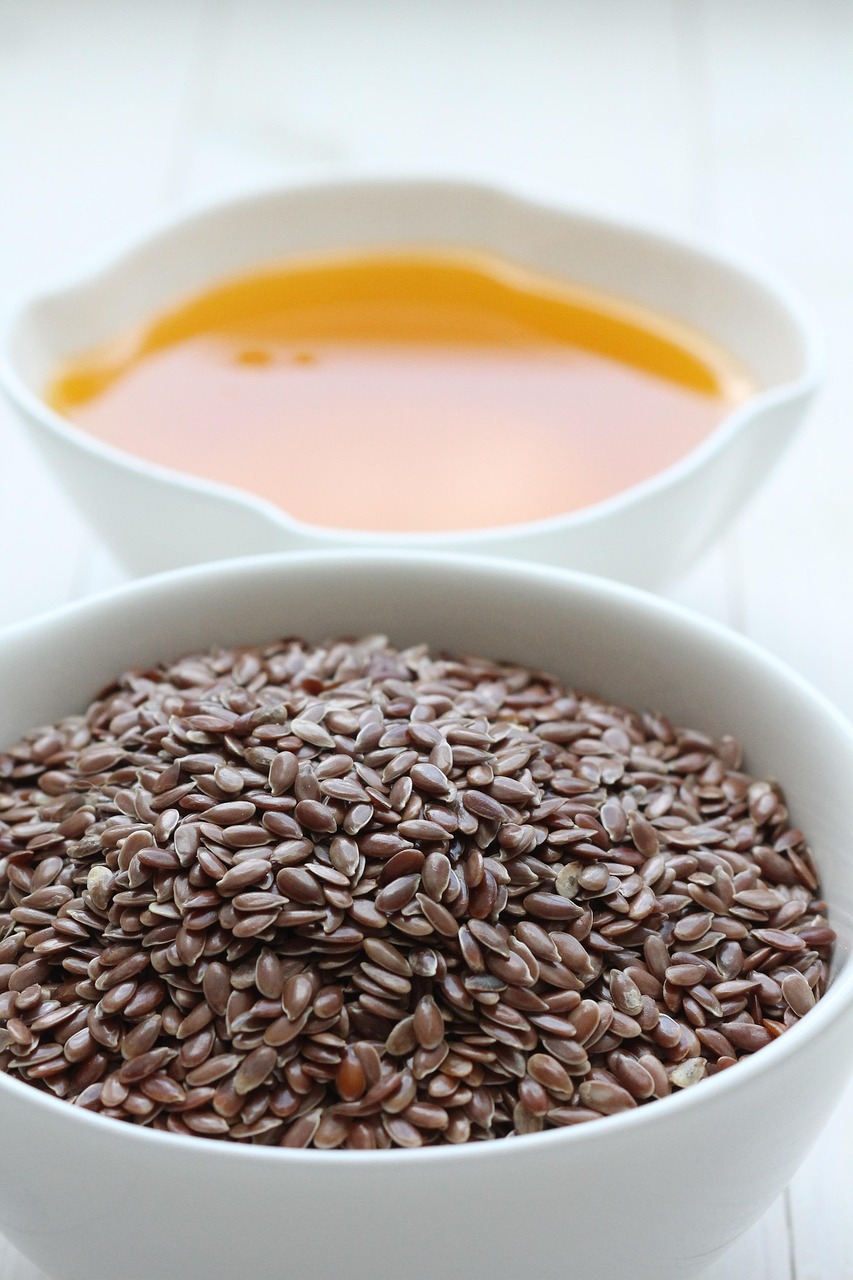
The production of fir needle essential oil is a satisfying mix of ancient craft and modern precision. For a detailed look at the process from forest floor to finished bottle, read our full article on how fir needle oil is made: steam distilling winter boughs. Here is the essential overview.
Steam Distillation: The Method
Almost all commercial fir needle oil is produced by steam distillation. The process works like this: harvested fir boughs, needles, and young twigs are packed into a still, which is a large sealed vessel. Steam is then passed through the plant material, either generated below (water distillation) or injected from an external source (steam distillation). The heat causes the volatile aromatic compounds in the needles to vaporize and rise with the steam.
This vapor passes into a condenser, where cooling water surrounds a coiled pipe. The vapor cools rapidly, turns back into liquid, and drips into a separator vessel. Because essential oil molecules and water molecules do not mix, the oil floats on top of the water and can be drawn off. The remaining water, now fragrant with trace aromatic compounds, is called a hydrosol or floral water. Balsam fir hydrosol is itself a valued aromatic product.
Harvesting: When and What Is Collected
Not all parts of the fir tree are distilled. For needle oil, distillers want the green needles and fine, young branch tips, often called boughs or branchlets. The aromatic compound content in needles is highest when the tree is actively photosynthesizing in warmer months, but some distillers prefer late-season or dormant-season harvests for specific chemical profiles. Winter harvesting of boughs is traditional in several Canadian and Scandinavian operations, which is where the evocative phrase "winter boughs" comes from.
Sustainable sourcing is increasingly important in this industry. Many operations work with managed forests, Christmas tree farms, or logging operations where boughs that would otherwise be left as slash are instead collected for distillation. This byproduct model can be both economically sensible and environmentally responsible, though the details vary enormously by supplier. When evaluating a brand, asking about bough sourcing is a fair and worthwhile question.
Yield and Concentration
Fir needle oil is not especially high-yielding. It typically takes roughly 50 to 100 kilograms of fresh plant material to produce one kilogram of essential oil, though this varies by species, growing conditions, and distillation method. This is one reason why very cheap fir oils should prompt skepticism: extremely low prices often suggest adulteration, blending with synthetic terpenes, or misrepresentation of species.
CO2 Extraction: An Alternative Method
Some specialty producers use supercritical carbon dioxide (CO2) extraction rather than steam distillation. This method operates at lower temperatures and can capture a broader range of volatile compounds, potentially producing an oil that smells even closer to the living tree. CO2-extracted fir oils are less common and typically more expensive. They are most often found in high-end natural perfumery applications. For everyday diffuser or crafting use, steam-distilled oils are excellent and far more widely available.
Scent and Aroma Profile
Scent is often the first thing people want to know about fir needle oil. It is also one of the most interesting aspects of the oil, because the scent varies meaningfully across species and even across batches of the same species from different growing regions.
For a full sensory deep dive, our article on what fir essential oil smells like: a forest scent goes into much greater detail. Here is the foundational guide.
The Core Character
Fir needle essential oil smells green, crisp, and resinous. Most people immediately associate it with evergreen forests, Christmas trees, or cold, clean mountain air. It has a quality that professional perfumers call "fresh" and "coniferous," but beneath that broad description is a more nuanced picture.
The top notes are bright and slightly sharp, almost piercing in a pleasant way. There is a distinct resinous quality in the heart, sweeter than pine and less camphor-like than eucalyptus. The base notes tend toward a softer, woodsy drydown. Overall, fir needle oil reads as clean and outdoorsy without being aggressive.
How Fir Compares to Pine and Spruce
People frequently conflate fir, pine, and spruce. Here is a quick reference for understanding the differences:
- Pine (Pinus spp.): Tends to be sharper, more turpentine-like, and drier. Pine oils often have a solvent-adjacent edge that can be polarizing.
- Spruce (Picea spp.): Often described as fruity, bright, and camphor-touched. Black spruce oil in particular has a very distinctive, almost citrusy conifer character.
- Fir (Abies spp.): Generally the softest and sweetest of the three. The bornyl acetate content gives fir oil a slightly fruity, almost floral softness that distinguishes it from both pine and spruce.
None of these descriptions is absolute. Scent perception is personal, and the quality of the individual oil matters enormously. A high-quality Siberian fir from a reputable distiller will smell notably different from a bargain-shelf "pine forest" blend. Trust your nose, but also trust your sourcing.
Scent Variations Across Species
Balsam fir oil (Abies balsamea) is sweeter and more resinous. Siberian fir oil (Abies sibirica) is crisper and more complex, with an almost medicinal edge that aromatherapy enthusiasts tend to enjoy in a diffuser. Silver fir (Abies alba) is the most refined and delicate, with a softness that makes it a favorite in European natural perfumery. White fir (Abies concolor) has a distinctive citrus brightness that sets it apart from the others.
Perfumery Applications
In professional perfumery, fir needle oil is classified as a top-to-middle note. It opens a blend with a burst of forest freshness, then settles into the composition as warmer base notes emerge. It blends exceptionally well with cedarwood, sandalwood, vetiver, and bergamot. It also works beautifully alongside other conifer oils for layered forest accords. Citrus oils, particularly lemon and grapefruit, amplify the bright, clean aspects of fir. Lavender softens it. Clary sage adds an interesting herbal complexity.
“Fir needle sits in that rare aromatic category that is immediately recognizable to almost everyone, regardless of their cultural background. It carries a kind of primal familiarity. People who have never spent time in a fir forest will still recognize and respond to the scent.”
Key Aromatic Compounds
The scent of fir needle oil is not one molecule. It is a complex symphony of dozens of chemical compounds, each contributing to the overall aromatic impression. Understanding the main players helps explain why fir smells the way it does, and why quality and species matter so much.
A word on framing: the following is a description of naturally occurring aromatic constituents, not a health claim. Essential oil chemistry is fascinating on its own terms, independent of any wellness application.
Bornyl Acetate
This is the compound most responsible for the characteristic "fir tree" smell. Bornyl acetate is an ester with a sweet, camphor-like, and distinctly coniferous aroma. It is present in very high concentrations in balsam fir oil, sometimes comprising 30 to 50 percent of the total oil composition. When you smell a balsam fir and think "that smells sweet and Christmas-y," bornyl acetate is doing most of the work.
Alpha-Pinene
Alpha-pinene is one of the most common terpenes in nature and is found in virtually all conifer oils. It contributes a dry, woody, and slightly resinous quality. It is also present in rosemary, sage, and many other aromatic plants. In fir needle oil, alpha-pinene forms part of the bright, sharp opening character.
Camphene
Camphene is a bicyclic terpene with a sharp, somewhat camphor-adjacent smell. It adds depth and intensity to fir oil without being as aggressively camphor-like as, say, rosemary oil. It contributes to that sense of cold, clean air that many people find so appealing in fir.
Beta-Pinene
The sibling of alpha-pinene, beta-pinene has a slightly fresher, more green and woody character. It contributes to the overall coniferous impression and is common across the Abies genus.
Limonene
Present in smaller quantities in most fir oils (and in higher amounts in white fir), limonene adds a citrus brightness. It is the same compound found in orange and lemon peel oils. Even in small amounts, it gives fir oil a slight lift and freshness.
Terpinene and Other Minor Compounds
Beyond the main players, fir needle oil contains dozens of minor terpenes and esters that contribute to its overall complexity. This is why a gas chromatography/mass spectrometry (GC/MS) report from a reputable supplier is so valuable: it reveals the full chemical fingerprint of a specific batch, allowing you to verify both species identity and overall quality.
| Compound | Typical Range | Scent Contribution |
|---|---|---|
| Bornyl acetate | 30 to 50% (balsam fir) | Sweet, resinous, classic fir |
| Alpha-pinene | 10 to 30% | Dry, woody, resinous |
| Camphene | 5 to 20% | Sharp, cool, slightly camphor |
| Beta-pinene | 2 to 10% | Green, fresh, woody |
| Limonene | 1 to 8% | Citrus, bright, lifting |
| Ranges are approximate and vary by species, growing region, and harvest season. Always request a GC/MS report for precise batch data. | ||
Uses and Applications
Fir needle essential oil has a wide range of cosmetic, aromatic, and crafting applications. For a comprehensive rundown of creative ways to use it at home, see our article on fir essential oil uses: 20 ways to bring the forest indoors. Below is a structured overview of the main categories.
Aromatic and Diffuser Use
Diffusing fir needle oil is probably its most popular application. A few drops in an ultrasonic or nebulizing diffuser fills a room with a clean, forested atmosphere. It is particularly popular during autumn and winter months, when the cold-air forest scent feels especially fitting.
Fir oil diffuses beautifully on its own. It also blends well with other oils to create more complex atmospheres. A few popular combinations:
- Fir needle with cedarwood and orange for a warm, cozy forest-cabin feel
- Fir needle with eucalyptus and peppermint for an invigorating, crisp diffuser blend
- Fir needle with bergamot and vetiver for a sophisticated, grounded aromatic profile
- Fir needle with clove and cinnamon for a festive winter blend
Standard diffusing guidelines apply: diffuse for 30 to 60 minutes at a time, ensure good ventilation, and keep diffusers out of reach of young children and pets. Some households prefer to diffuse only in rooms where pets cannot enter, as cats and some other animals can be sensitive to concentrated airborne terpenes. Consult your veterinarian if you have concerns.
Personal Care Formulations
Fir needle oil's clean, resinous scent makes it a popular ingredient in a wide range of personal care products, particularly those with a naturalistic or outdoorsy positioning. It appears in:
- Body washes and shower gels (where the steam amplifies the forest scent beautifully)
- Shampoos and scalp care products
- Beard oils and balms
- Aftershave formulations
- Foot soaks and foot scrubs
- Body lotions and butters
- Deodorant formulations (the crisp scent is popular in natural deodorant products)
When formulating personal care products with fir needle oil, proper dilution is non-negotiable. See the safety section below and our detailed article on fir essential oil skin and pet basics: dilution and patch testing for full guidance.
Candle and Soap Crafting
Fir needle oil is a staple scent for artisan candle makers and cold-process soap formulators. Its high pinene content means it can be somewhat volatile at higher temperatures, so soap makers typically add it at a lower temperature during trace. Candle makers often combine it with other resins or woody base notes to anchor the scent and improve throw.
One consideration for candle use: fir needle oil is a pure botanical material and does not have the same fragrance throw consistency as synthetic fragrance oils. The result is a more subtle, naturalistic scent profile, which many artisan candle buyers specifically seek out.
Home and Linen Sprays
A simple room or linen spray using fir needle oil is easy to make and highly effective. Combine distilled water, a small amount of isopropyl alcohol or Everclear as an emulsifier, and 10 to 20 drops of fir needle oil per 100ml of liquid. Shake well before each use and spray into the air or lightly onto linens. This creates an instant forest atmosphere in any room.
Natural Cleaning Blends
Fir needle oil is commonly added to DIY cleaning sprays and floor washes, not for any specific cleaning action, but for its appealing scent. The crisp, fresh smell is widely associated with cleanliness, which is why so many commercial cleaning products already use synthetic conifer fragrances. Using a real fir needle oil in a homemade cleaner gives you that scent without synthetic fragrance compounds.
A typical formulation might combine white vinegar or castile soap with water and 15 to 20 drops of fir oil per 500ml of solution. Note that the oil needs to be well dispersed before use (shake the bottle thoroughly), as essential oils do not blend with water on their own.
Bath Blends and Body Scrubs
Adding fir needle oil to a bath requires care. Essential oils do not disperse in water on their own, which means undiluted oil droplets can come into direct contact with sensitive skin. Always mix fir oil into a carrier (such as a tablespoon of fractionated coconut oil, whole milk, or a commercially prepared bath dispersant) before adding it to bathwater. Use no more than 6 to 8 drops total in a full bath, premixed in your carrier. Never add undiluted essential oil directly to bathwater.
Quality, Sourcing, and What to Look For
The essential oil market is enormous and, frankly, inconsistent. Some products labeled "fir essential oil" are genuine, high-quality botanical extracts. Others are diluted, adulterated, mislabeled, or made from lower-quality material. Knowing what to look for protects both your money and your experience.
What a Good Label Tells You
A reputable fir needle oil should include the following information, either on the label or readily available from the supplier:
- Latin binomial: For example, Abies balsamea or Abies sibirica. This tells you exactly which species you are buying.
- Country of origin: Knowing whether a Siberian fir oil actually comes from Russia, or whether a balsam fir was distilled in Canada or the northeastern United States, matters for quality benchmarking.
- Plant part: The label should specify "needle" or "leaf and twig" so you know this is not a wood oil or a resin product.
- Extraction method: Steam distillation is standard. Some CO2 extracts may be labeled as such.
- Batch or lot number: This is important for traceability.
- GC/MS testing: A quality supplier should be able to provide a gas chromatography/mass spectrometry report for each batch, either on their website or upon request. This is the gold standard for verifying both authenticity and purity.
Red Flags to Watch For
- No Latin name on the label
- Prices that seem dramatically lower than other reputable brands for the same volume
- No country of origin listed
- Vague descriptors like "pure fir oil" or "natural forest oil" with no botanical specifics
- Strong synthetic or chemical smell (good fir oil smells green and natural, not like a commercial air freshener)
- No GC/MS testing available, or a supplier who is unwilling to share test results
Organic and Wildcrafted Certifications
Some fir needle oils are certified organic, meaning the trees were grown or harvested without synthetic pesticides or fertilizers. Others are marketed as wildcrafted, meaning they were collected from wild-growing trees. Both can be legitimate and high quality, but the terms are sometimes used loosely. Look for recognized certification bodies (USDA Organic, Ecocert, etc.) rather than simply taking a supplier's word for it.
For boreal forest species like balsam fir, wildcrafted or sustainably harvested from managed forest operations is common and, when done responsibly, is an excellent sourcing model. The sheer abundance of balsam fir across the Canadian boreal forest means responsible harvesting can coexist with conservation.
Price and Value
Fir needle oil is not among the most expensive essential oils. Compared to rose, neroli, or true sandalwood, it is quite accessible. Expect to pay somewhere between $8 and $30 for a 10ml or 15ml bottle from a reputable supplier, depending on species, quality, and brand positioning. Siberian fir tends to be the most competitively priced. Silver fir and some specialty white fir oils can be pricier due to more limited supply.
Very cheap fir oil (think $3 to $5 for a 10ml bottle) should prompt questions. At that price point, something in the supply chain is almost certainly compromised. Adulteration with synthetic bornyl acetate is one of the more common practices in the lower end of the conifer oil market.
Safety, Dilution, and Storage
Fir needle essential oil is generally considered well-tolerated when used correctly, but "correctly" is the operative word. Essential oils are highly concentrated aromatic compounds and should always be handled with respect for their potency.
Dilution Guidelines
For any skin application, fir needle oil must be diluted in a carrier oil before use. Applying undiluted essential oil directly to skin can cause irritation, sensitization, or discomfort. Standard dilution guidelines from the International Fragrance Association (IFRA) and professional aromatherapy organizations suggest:
- Body application (adults): 1 to 2 percent dilution in carrier oil. This works out to 6 to 12 drops of essential oil per 30ml (one ounce) of carrier.
- Face application: 0.5 to 1 percent dilution is more appropriate for facial skin. Fir oil is not a common facial ingredient, but if using in a facial product, keep dilutions low.
- Children (3 to 10 years): Use at 0.5 to 1 percent maximum, and consult a qualified aromatherapist or healthcare provider before use.
- Infants and young children under 3: Not recommended. Keep all essential oils well away from infants.
For detailed guidance on skin safety and patch testing protocols, see our article on fir essential oil skin and pet basics: dilution and patch testing.
Patch Testing
Before using any new essential oil on a larger area of skin, a patch test is strongly recommended. Apply a small amount of your diluted blend (not the neat oil) to the inside of your elbow or wrist. Wait 24 hours and observe for any redness, itching, or irritation. If any reaction occurs, do not use the oil on skin.
Patch testing is particularly important for people with known sensitivities to conifer pollen or trees, or for those with reactive skin.
Contraindications and Cautions
- Fir needle oil is not safe for internal use. Do not ingest essential oils without the supervision of a qualified and licensed healthcare provider who is specifically trained in essential oil safety.
- Keep all essential oils away from eyes and mucous membranes.
- Pregnant and nursing individuals should consult a qualified healthcare provider before using any essential oil.
- Individuals on medications or with chronic health conditions should consult a healthcare provider before adding essential oils to their routine.
- People with known sensitivities to pine or fir trees should exercise caution and consult a healthcare provider.
Pets and Fir Oil
Cats, dogs, birds, and other household pets have different metabolic processes than humans, and some aromatic compounds can be problematic for them at certain concentrations. In general, do not apply essential oils directly to pets unless directed by a veterinarian familiar with essential oil safety. When diffusing fir oil in a home with pets, ensure the room is well ventilated and that animals can leave the space freely. Avoid diffusing in enclosed spaces with birds, as avian respiratory systems are particularly sensitive.
Consult your veterinarian with any specific questions about fir oil and your individual pets.
Storage: Extending Shelf Life and Preventing Oxidation
Proper storage is one of the most overlooked aspects of essential oil ownership. Fir needle oil, like most conifer oils, is relatively high in monoterpenes, which means it is susceptible to oxidation. Oxidized oil not only smells less pleasant (often developing a sharp, turpentine-like off-note) but may also be more likely to cause skin sensitivity.
For full guidance on keeping your oil in top condition, read our article on how to store fir needle oil: oxidation and shelf life. The key principles are:
- Store in a dark glass bottle (amber or cobalt blue). Light accelerates oxidation.
- Keep the bottle tightly sealed when not in use. Oxygen is the enemy.
- Store in a cool, dark location. A drawer, cabinet, or even the refrigerator works well. Avoid storing near heat sources or in direct sunlight.
- Fir needle oil has a general shelf life of 2 to 3 years when stored correctly. Some high-pinene batches may begin to oxidize sooner.
- Consider purchasing smaller quantities if you do not use fir oil frequently. A smaller bottle used up quickly is better than a large bottle sitting half-empty for two years.
- Adding a small amount of vitamin E oil (tocopherol) to your bottle can act as an antioxidant and may help extend shelf life slightly, though this is more practical in diluted blends than in neat oil.
Putting It All Together
Fir needle essential oil is one of the most accessible, versatile, and genuinely evocative oils in the natural aromatic world. Its chemistry is elegant. Its scent is universally recognized. Its applications range from everyday home diffusion to sophisticated natural perfumery.
The key to getting the most from fir oil is knowledge: knowing your species, trusting your sources, respecting dilution guidelines, and storing the oil properly so it stays at its aromatic best. Start with a quality oil from a reputable supplier, ideally with a GC/MS report available. Let your nose guide you through the different varieties. Experiment with blends.
The forest has never been easier to bring home.
Keep Exploring
- What Does Fir Essential Oil Smell Like? A Forest Scent
- How Fir Needle Oil Is Made: Steam Distilling Winter Boughs
- Meet the Firs: Balsam, Siberian, Douglas, and White Fir Trees
- Fir Essential Oil Uses: 20 Ways to Bring the Forest Indoors
- How to Store Fir Needle Oil: Oxidation and Shelf Life
- Fir Essential Oil Skin and Pet Basics: Dilution and Patch Testing